
Artist
Photography allows me to gather the world.
Composition allows me to create one.
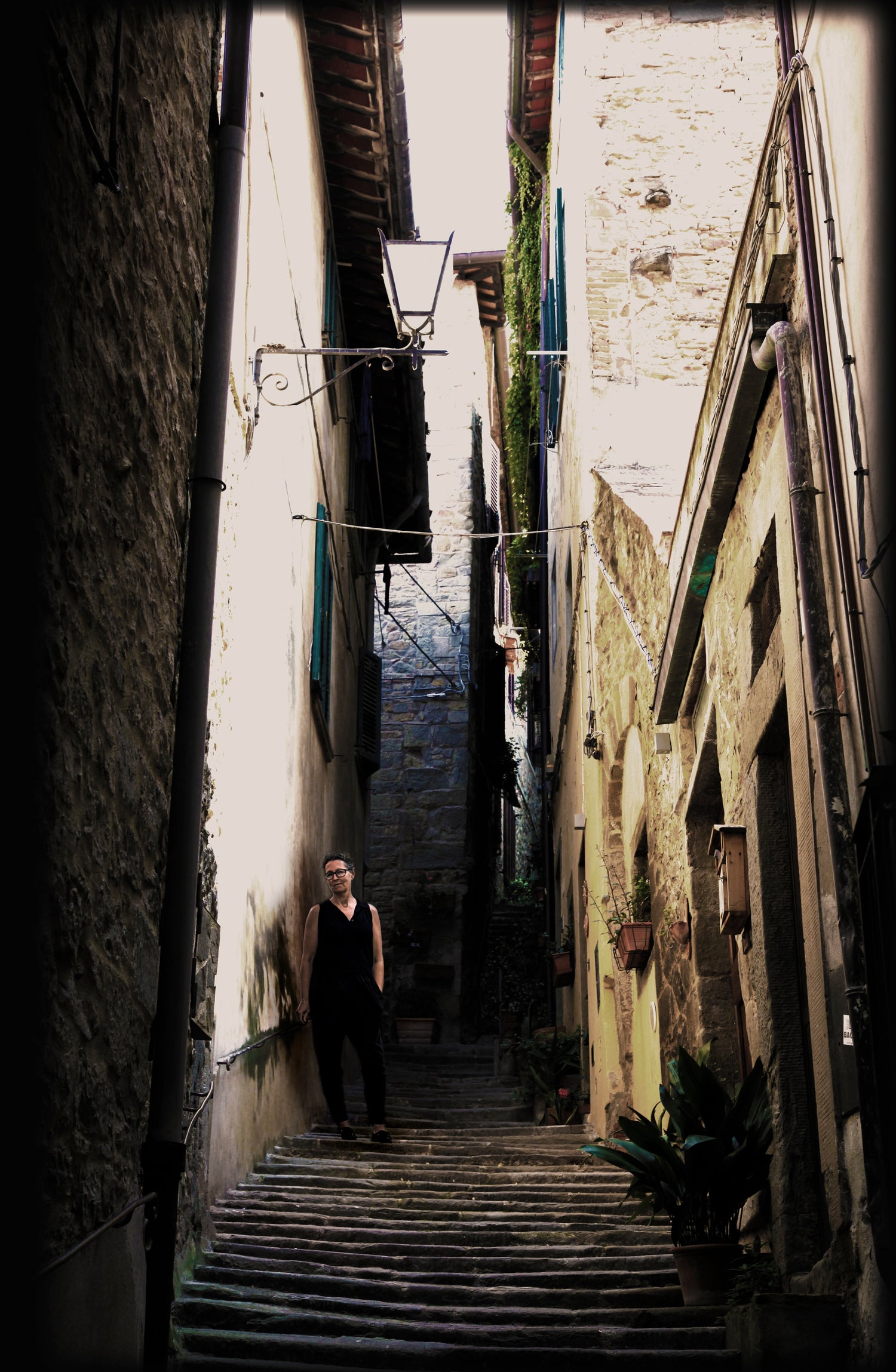
When I was twenty three I backpacked solo into the world and discovered an abundance of beauty.
It was everywhere I looked.
I think I have been gathering it ever since.
Places, gardens, objects, architecture and moments become part of us. They carry memories, histories and associations that connect us to where we have been, where we belong and the larger world beyond our everyday lives.
My work brings these things into new relationships.
Still life has always helped us understand ourselves through the things we choose to live with. I am interested in continuing that conversation through photography — exploring how place, memory and the objects around us become part of who we are.
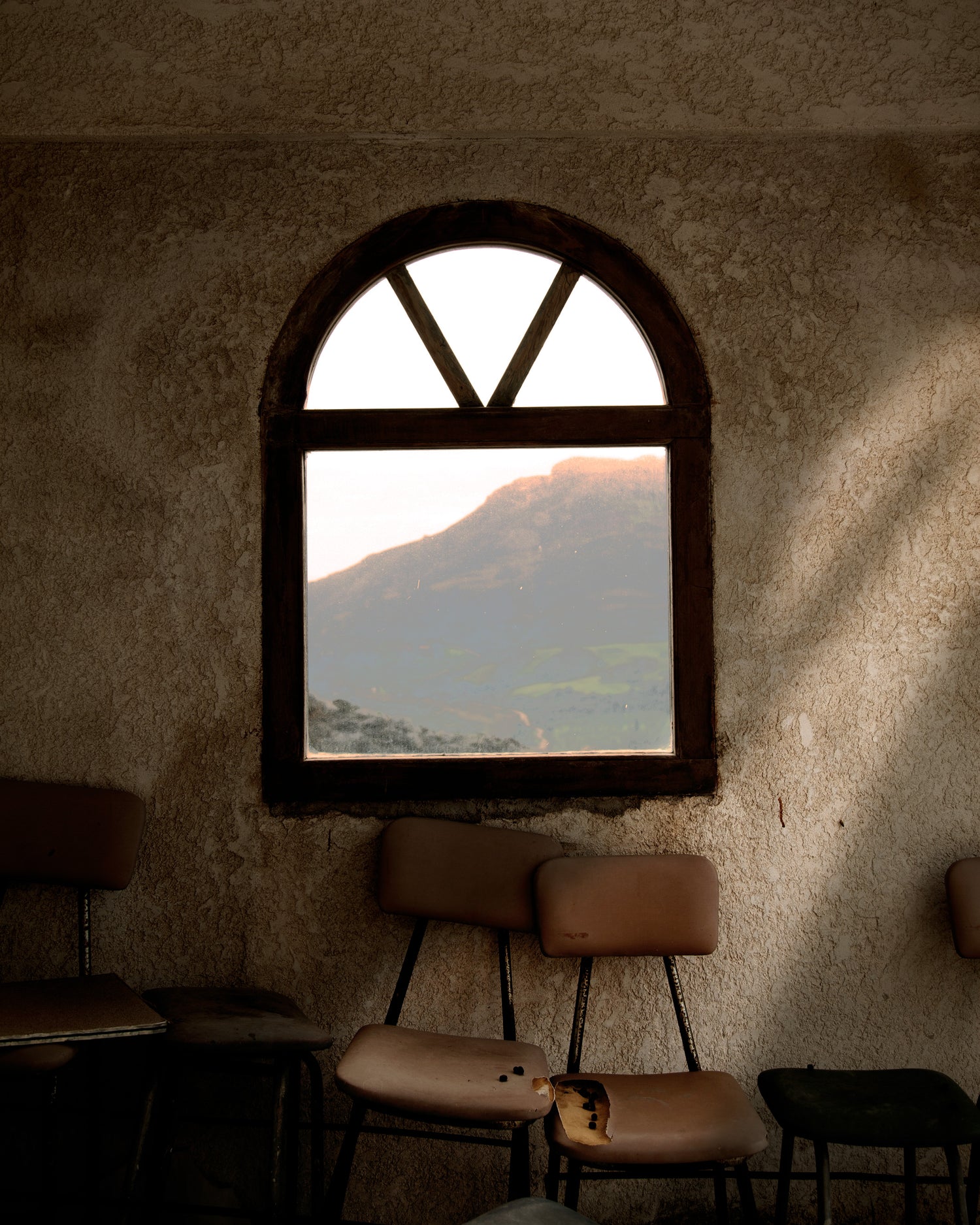
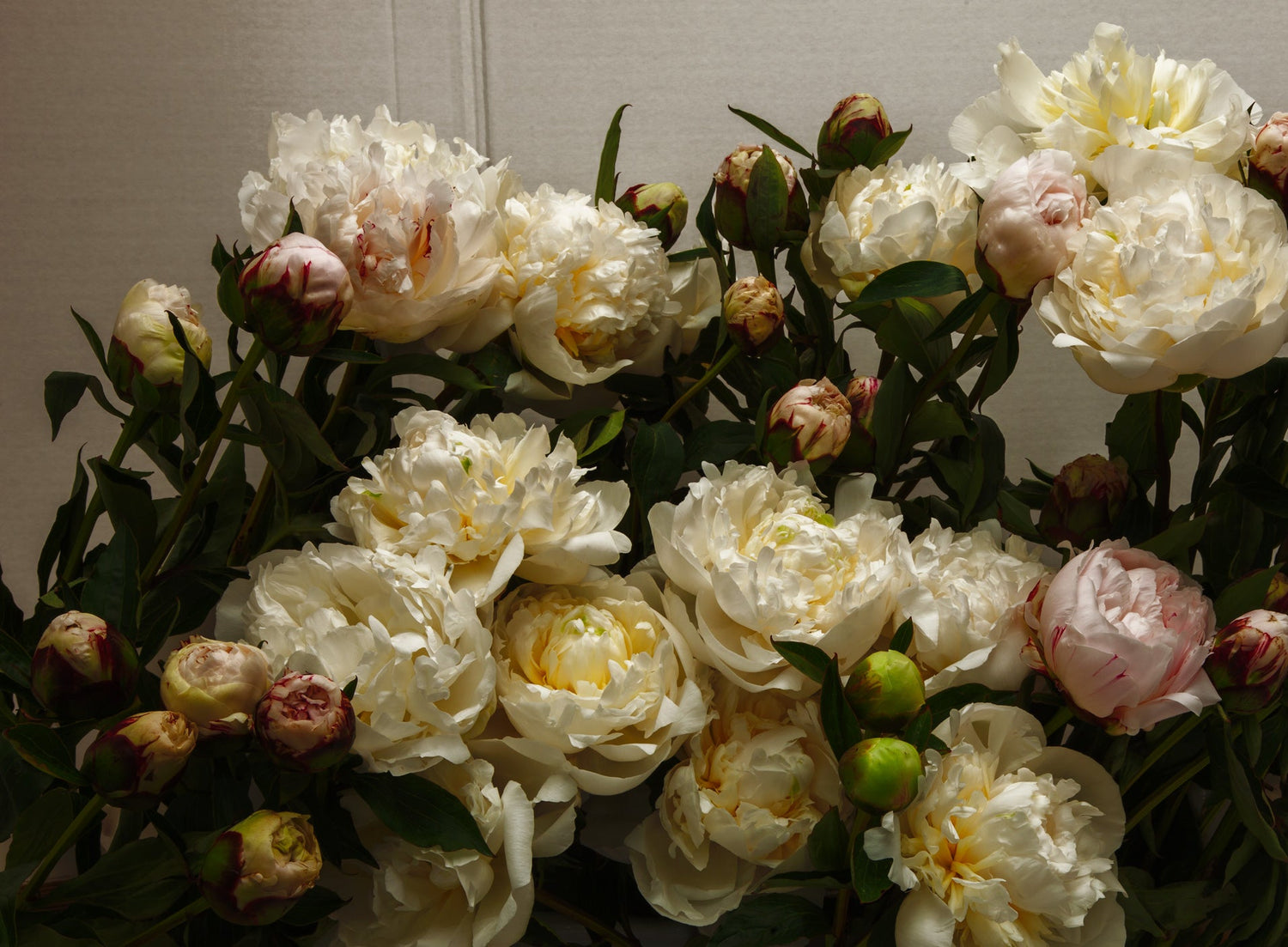
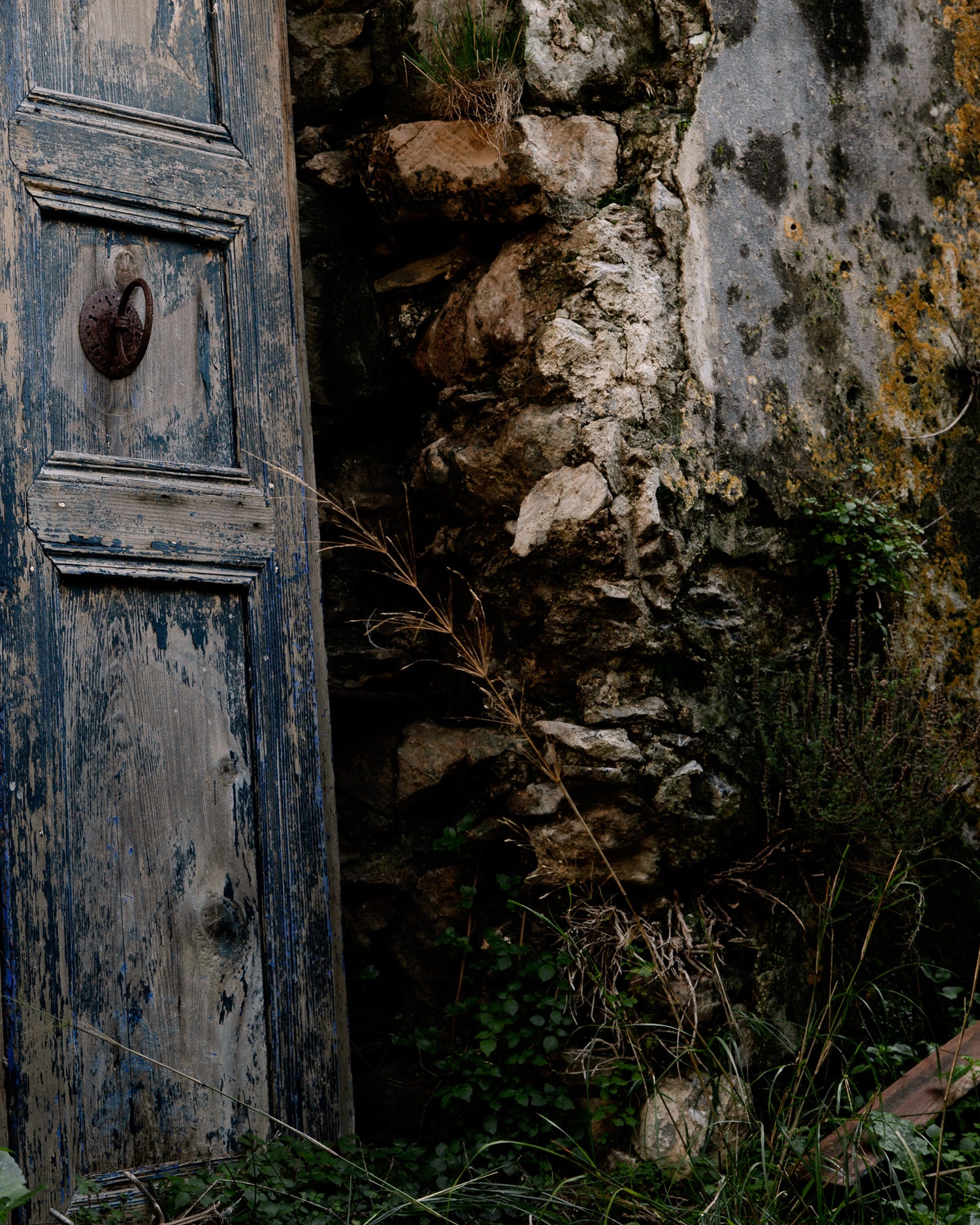
Flowers. Gardens. Landscapes. Land or Sea?
Land every time, because I am in love with this worn and layered story of our world.
The crumbling buildings, the dark alleyways and the way nature sneaks in to create beauty in the most forgotten places. Bright green moss in grimy corners, ivy pushing through cracked stonework, shafts of sunlight hitting rotting timber.
Beauty is that moment in time that sings to your soul.
History is my secret love. And the truth is that when it comes to history, I am a magpie.
From Paris to Rome to home, I hunt compulsively for ledges, patinaed walls and the traces of lives lived before us, filling the requirements of a hundred ideas. And, inevitably, being there creates a hundred more.
The Process
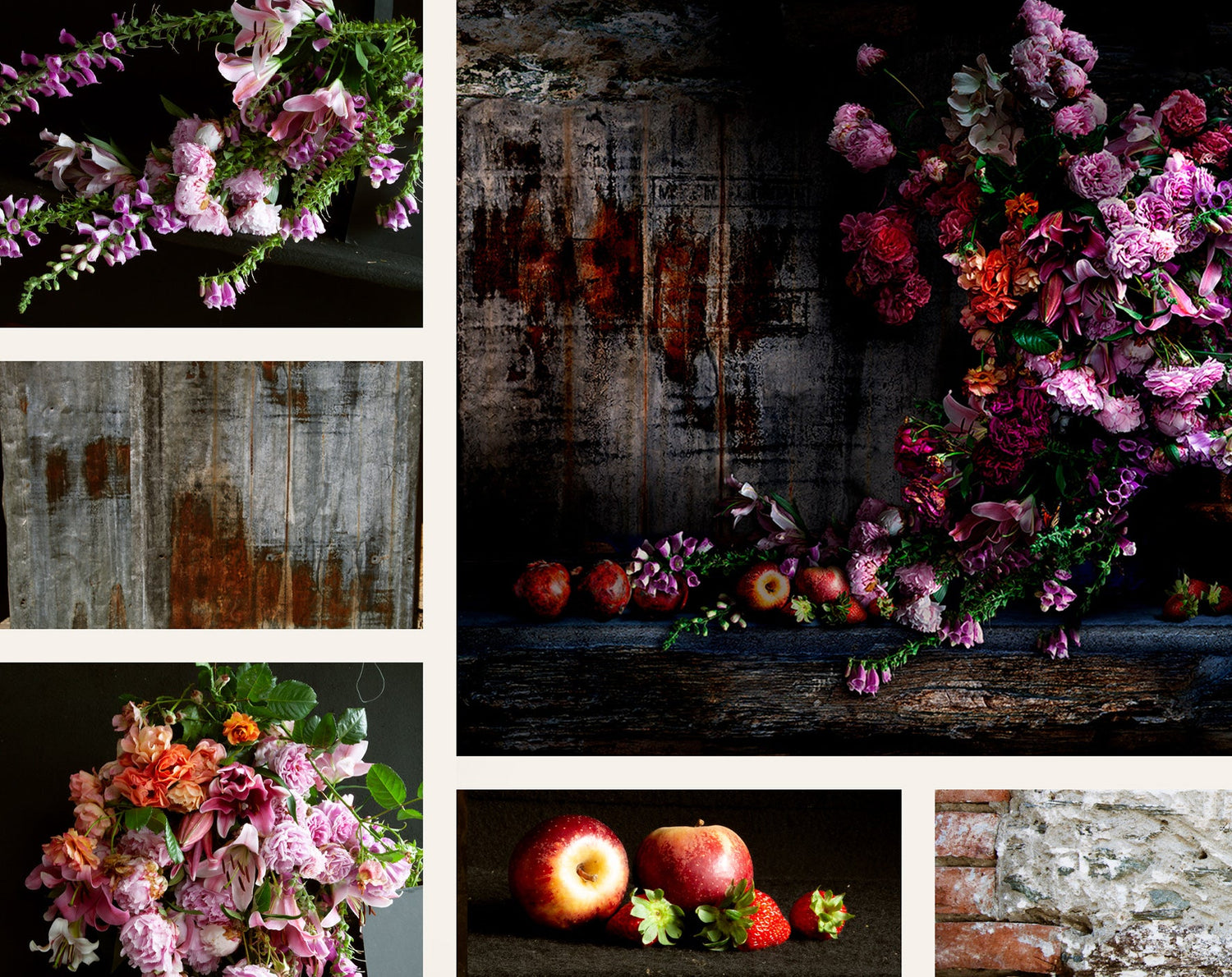
My work is created through photographic montage.
I begin with an idea of the world I want to create; its atmosphere, structure and emotional weight.
I am interested in the relationship between beauty and history, abundance and decay. In creating still lifes with a sense of grandeur, drama and sometimes a little impossibility.
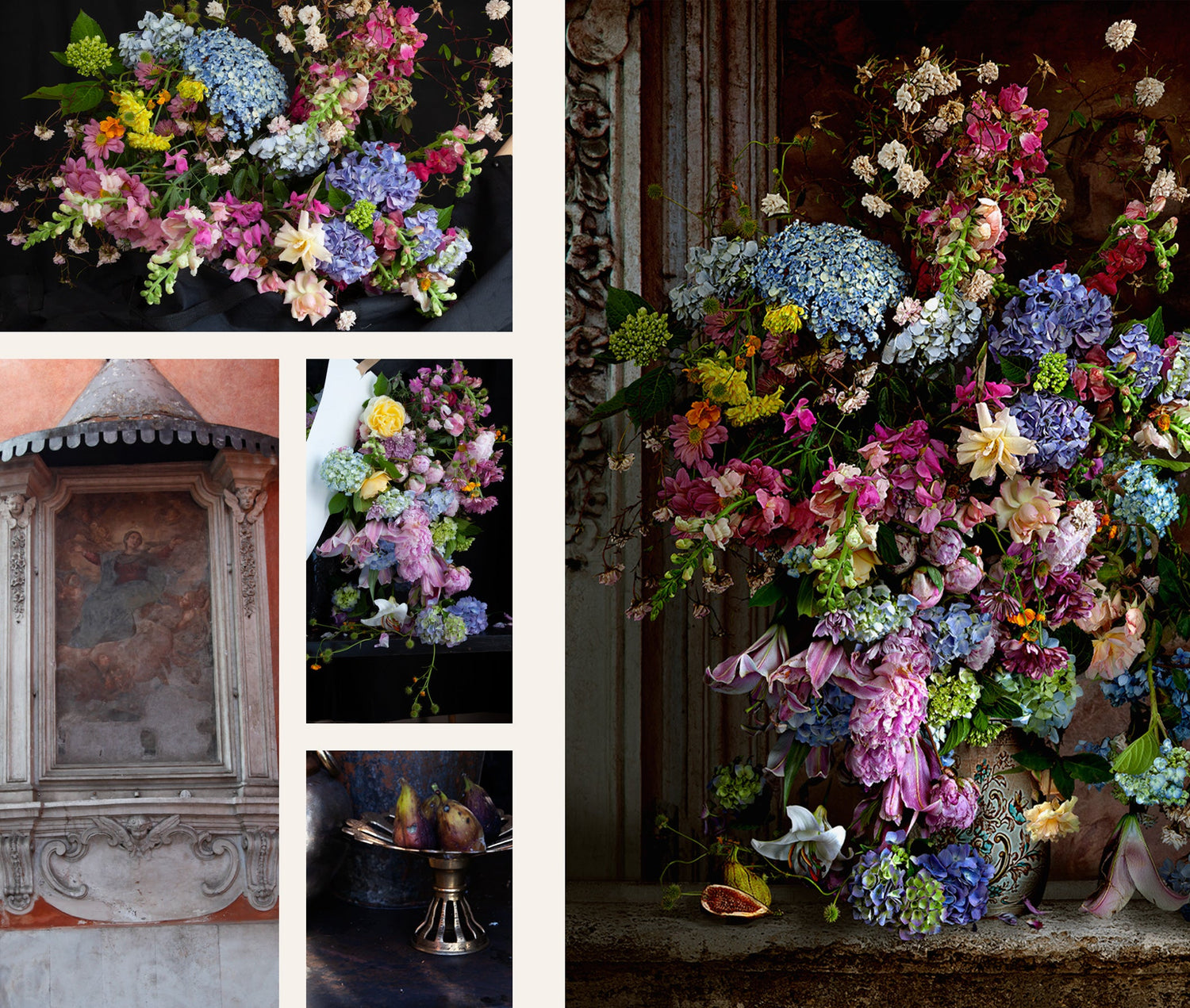
Rather than photographing a single arrangement, I construct the work from individual photographic elements; photographing what I need to bring the ideas to life.
Unlike a painter, however, every element I use has to exist somewhere in the world before I can photograph it.
Architecture is photographed for structure, surface and perspective.
In the studio, flowers and objects are photographed individually, allowing me to control viewpoint, focus and the direction of light. I may photograph dozens of studies to achieve exactly what the composition requires.
The work is then constructed digitally through layers.
The work is then constructed digitally through layers.
Backgrounds may themselves be built from several photographs before the still-life elements are introduced. Light is the thread that holds everything together; its direction, angle, intensity and time of day. Perspective, scale, light and tone allow elements photographed separately to exist convincingly within the same world.
Conceived as a whole.
Photographed in parts.
Composed into its final form.
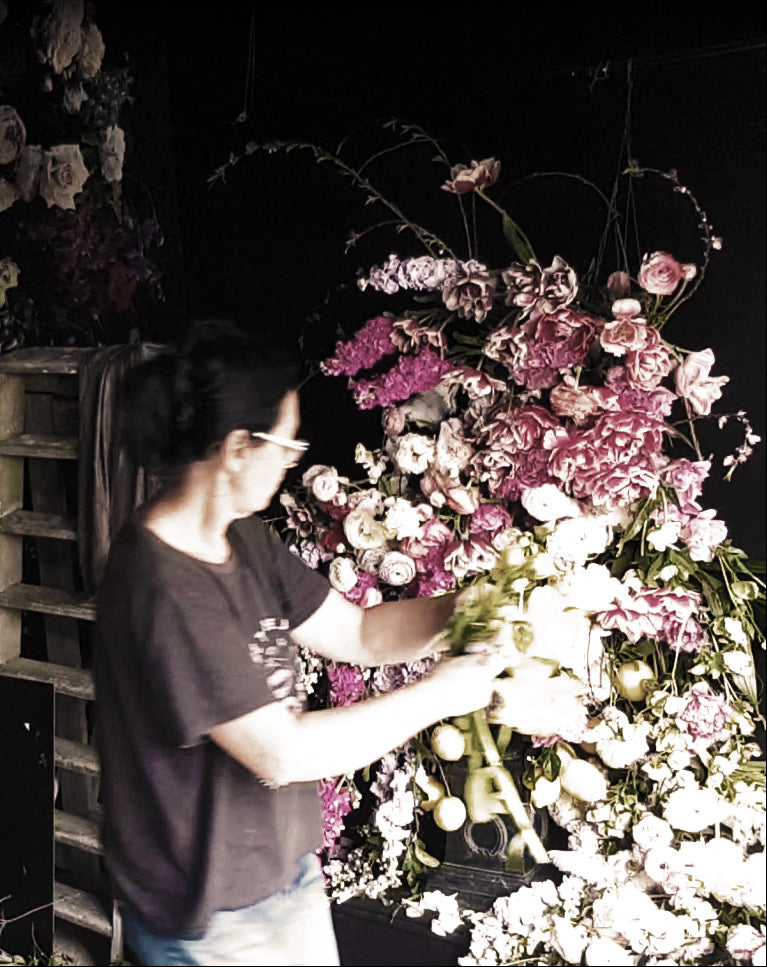
My studio is not about pretty, it's about feeling. I use chunks of flowers like a paintbrush — making sweeping gestures or wilting flows.
The process is not slow and considering. I don't potter.
I work in a whirlwind of ideas and emotion until I get where I want, always visualising the background setting and how the finished piece will fit together.
I want to capture grandeur and decadence and a little bit of impossibility.
There is a stem that droops.
As I watch, it relinquishes its slight hold on the rim of the vase and, with the grace of a dancer, slides its heavy head toward the shelf.
Two more are caught, and in another moment they also slide, before lying like a puddle on the shelf — relaxed and infinitely more beautiful than before.
Inspired by the Masters and trained by the Military
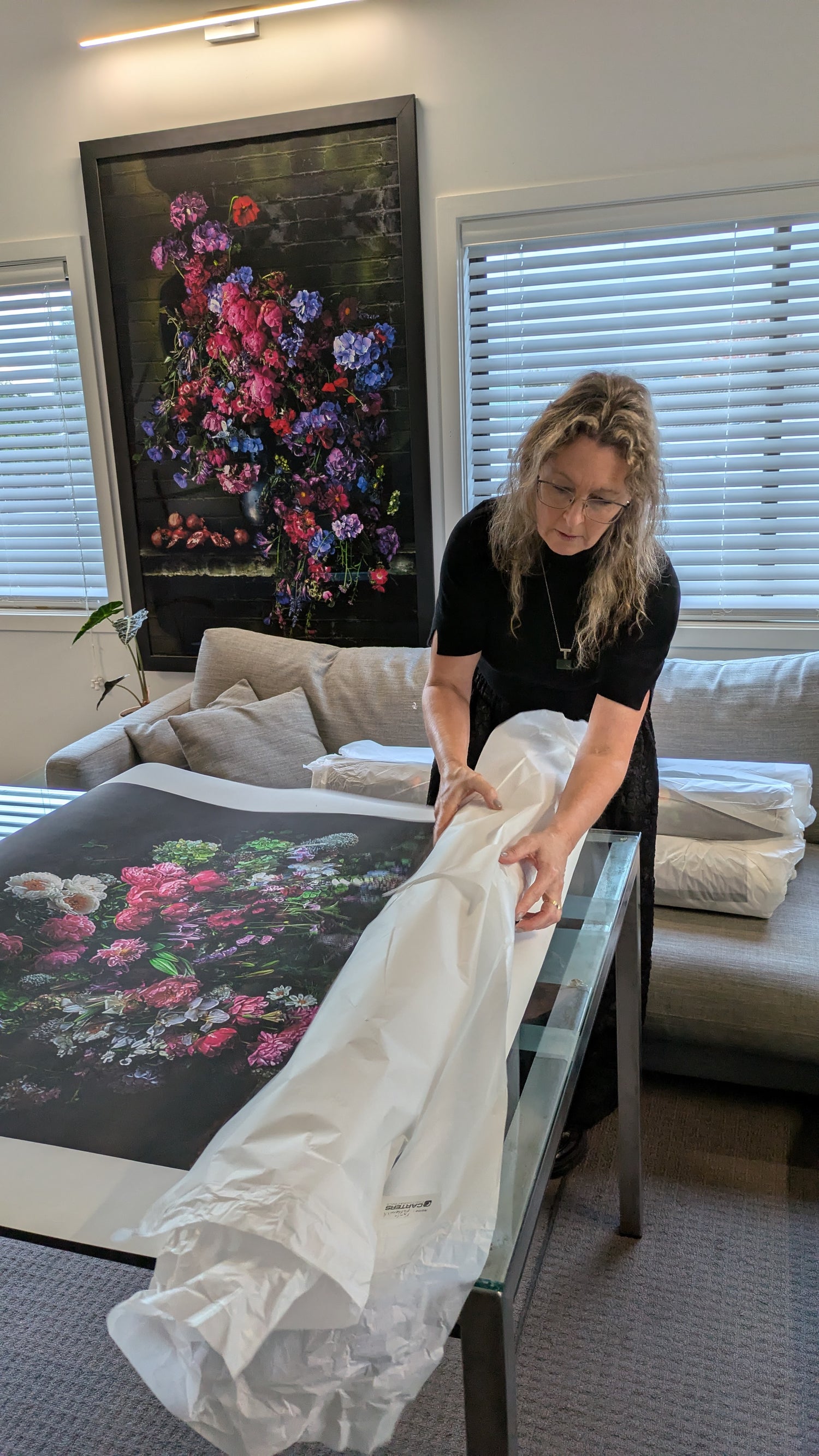
My practice began with traditional photography, including a career as a military photographer. It taught me to understand light, perspective and the discipline of getting the photograph right.
But the artworks I loved were never restrained by what happened to be standing in front of the artist.
The great still lifes could exaggerate abundance, manipulate light, heighten drama and create worlds that felt real without being literal.
Eventually I wanted that same freedom with photography.
Photomontage gave it to me. I could use the precision of photography without accepting the boundaries of a single photograph; bringing together different viewpoints, places and moments to create something that had never existed in front of the camera.
Photography remains the foundation. But artistry gets the final say.
I believe beauty should do more than decorate.
It should hold emotion, history and atmosphere, with layers that reveal themselves over time.
I don't just want to remember beauty. I want to create it.
This is my quiet rebellion — a reminder that we live in a world of beauty, and that beauty is robust and resilient and exists everywhere.
From the moss on the footpath to the grandeur of Rome, there is an array of inspiration on our doorsteps.
I want us to be caught by the shaft of sunlight as it hits the dust in the air and the wilt of the petal that crumples against the vase.
“Paula Petherick crafts masterpieces using fine art photography. Her incredibly detailed pieces are enriched with textures and layers reminiscent of the Dutch Masters style”
-BRITISH VOGUE-